
Across Bangladesh, the commercial conversation around industrial water management often turns on a simple question: how can organizations serve customers more consistently while maintaining a sound operating model? The answer typically involves people, process and information working together. This analysis explains the operational choices without claiming a newly announced investment, an interview or a particular company result.
Understanding the operating model
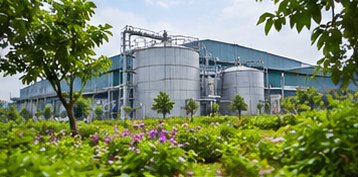
Factories evaluate intake, treatment, process consumption and effluent discharge. At each stage, managers need clear responsibilities and accurate information. When decisions are made only after a problem reaches the customer, even a seemingly small error can affect cost, quality and reputation.
Where the opportunity lies
Water mapping and maintenance can help identify avoidable losses. For Bangladeshi companies operating across multiple suppliers or retail channels, progress often starts with a carefully scoped pilot and practical staff involvement. Consistency is usually more valuable than an isolated publicity moment.
Commercial and operational challenges
Treatment reliability and operating discipline require ongoing attention. A realistic plan should consider the budget, required skills, customer expectations and the limits of existing infrastructure. Technology can support the work, but it cannot replace sound controls, clear accountability or direct feedback from users.
Measures worth following
Useful indicators for this topic include water use per unit, treatment uptime, monitoring compliance and leak reduction. These measures should be defined consistently so that trends can be compared across teams and reporting periods. Combining the numbers with frontline observations helps leaders distinguish meaningful progress from short-lived changes.
What comes next
Organizations considering improvements in industrial water management can begin by mapping the current process, identifying two or three pain points, assigning owners and selecting a review date. An editorial discussion becomes more valuable when claims are supported by documents, transparent methodology and clearly named sources. Sustainable progress depends on credible information, realistic planning and the ability to improve after results are measured.


Conversation